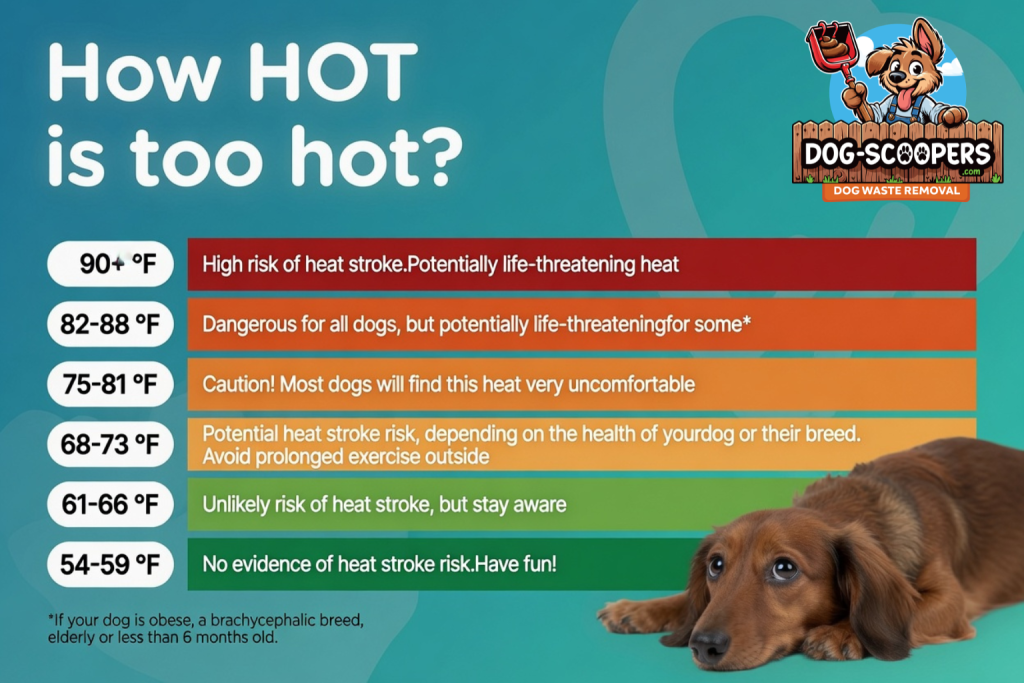
How to Protect Your Dog from the Summer Heat in Northwest Florida
Summer on the Gulf Coast is one of the most beautiful times of the year. The beaches are stunning, the sunsets are unforgettable, and life feels a little slower and sweeter. But if you are a dog owner, summer also brings a very real set of challenges. Knowing how to protect your dog from the summer heat is not just helpful advice, it is essential information that can prevent serious illness and save your dog’s life.
In communities like Destin, Santa Rosa Beach, Seaside, Rosemary Beach, Miramar Beach, Fort Walton Beach, Niceville, Bluewater Bay, Crestview, Freeport, and along the entire 30A corridor, summer temperatures regularly climb into the low to mid 90s with humidity levels that make it feel even hotter. Dogs are far more vulnerable to heat than most owners realize. Understanding the risks and taking the right precautions will keep your dog healthy, comfortable, and happy through even the hottest Gulf Coast summer.
This guide covers the most important tips to protect your dog from the summer heat, including how to keep your dog cool at home and outdoors, the best and worst times to walk your dog in Florida’s summer climate, warning signs of heat-related illness, and how maintaining a clean, safe yard plays a bigger role in your dog’s summer health than you might expect.
Why Summer Heat Is Especially Dangerous for Dogs in Northwest Florida
Before diving into the tips, it helps to understand why protecting your dog from the summer heat is so critical in this part of Florida specifically.
Dogs regulate their body temperature primarily through panting. Unlike humans, they cannot sweat through their skin. When the air is hot and humid, which describes most Gulf Coast summer days from June through September, panting becomes far less effective. The moisture in the air makes it harder for a dog to cool down through respiration, which means their core body temperature rises faster and stays elevated longer.
A dog’s normal body temperature ranges from 101 to 102.5 degrees Fahrenheit. Heat stroke can occur when body temperature exceeds 104 degrees, and temperatures above 107 degrees can be fatal. In Destin and along 30A, pavement temperatures on a sunny summer afternoon can exceed 150 degrees, hot enough to cause serious burns to your dog’s paw pads within seconds.
Protecting your dog from the summer heat in this region is not just a warm-weather suggestion. It is a life-saving responsibility.
The Best and Worst Times to Walk Your Dog in Summer
One of the most important ways to protect your dog from the summer heat is choosing the right time of day for outdoor activities. The timing of your walks can make the difference between a safe, enjoyable outing and a dangerous one.
The Best Times to Walk Your Dog
Early morning is the single best time to walk your dog during summer in Northwest Florida. Aim for before 8:00 AM when temperatures are at their lowest, pavement has had the overnight hours to cool down, and the sun angle is low enough that shade is plentiful. Dogs enjoy these walks far more, move with more energy, and face the least risk of heat-related stress.
Evening after 7:00 PM is the second best window for summer walks. Once the sun drops toward the horizon, air temperatures begin to fall and direct UV exposure decreases significantly. However, use caution here because pavement absorbs and holds heat throughout the day and can remain dangerously hot even after the sun goes down. Always test the pavement with the back of your hand for a full five seconds before walking your dog on it. If it is too hot for your hand, it is too hot for your dog’s paws.
Times to Avoid
Between 10:00 AM and 5:00 PM is the danger zone for dogs in summer. This is when solar radiation is at its peak, pavement temperatures are at their highest, and the combination of heat and humidity is most likely to cause rapid overheating. Avoid all strenuous outdoor activity with your dog during these hours on hot days.
Even a short walk to the end of the driveway and back during peak afternoon heat can put a dog at risk, especially breeds with flat faces like bulldogs, pugs, and French bulldogs, which have a significantly harder time cooling themselves through panting.
Top Tips to Protect Your Dog from the Summer Heat
Always Provide Fresh, Cool Water
Hydration is the foundation of summer safety for dogs. A dog that is even mildly dehydrated has a significantly reduced ability to regulate body temperature. During summer, your dog needs access to fresh, cool water at all times, both inside and outside.
Place multiple water bowls throughout your home. When heading outdoors, always bring a portable water bottle and collapsible bowl. On walks, offer water every 15 to 20 minutes rather than waiting for your dog to show signs of thirst. By the time a dog appears thirsty, they are often already dehydrated.
Add ice cubes to outdoor water bowls to keep them cool longer. Some dogs enjoy licking ice cubes as a treat, which provides both hydration and a cooling effect.
Never Leave Your Dog in a Parked Car
This point cannot be overstated. A parked car in Florida’s summer heat becomes an oven within minutes. On an 85-degree day, the interior of a car with windows cracked can reach 102 degrees in just 10 minutes and 120 degrees within 30 minutes. This is fatal territory for a dog.
There is no safe amount of time to leave a dog in a parked car during summer, not even for a quick errand. If you cannot bring your dog with you into the destination, leave them home in a cool, air-conditioned space.
Create Cool Resting Spots at Home
Your dog’s indoor environment matters just as much as what happens outside. Make sure your home’s air conditioning is functioning well and set to a temperature that keeps your dog comfortable. Dogs that are left home alone during the day while their owners are at work are particularly vulnerable if the AC fails or the house gets too warm.
Provide cooling mats or elevated cot-style beds that allow air to circulate beneath your dog as they rest. Some dogs enjoy a kiddie pool filled with a few inches of cool water in the shade outdoors. Frozen treats made from dog-safe ingredients like peanut butter, plain yogurt, or blueberries are another easy and fun way to help your dog stay cool.
Protect Your Dog’s Paw Pads
Burned paw pads are one of the most common and underreported summer injuries in dogs. Hot pavement, sand, and asphalt can cause painful blisters and burns after just seconds of contact. Signs of burned paws include limping, licking or chewing at the feet, and red or discolored paw pads.
Stick to grassy areas, shaded paths, and natural surfaces during summer walks whenever possible. Dog booties are an effective solution for dogs that tolerate them. If your dog has experienced any paw pad burns, contact your veterinarian for guidance on treatment and healing.
Recognize the Signs of Heat Stroke
Knowing the warning signs of heat stroke is one of the most valuable things you can do to protect your dog from the summer heat. Early recognition allows you to intervene before the situation becomes life-threatening.
Warning signs include:
- Heavy, rapid panting that does not slow down
- Excessive drooling
- Bright red gums and tongue
- Glazed eyes and disorientation
- Weakness or unsteady movement
- Vomiting
- Collapse or loss of consciousness in severe cases
If you suspect your dog is experiencing heat stroke, move them to a cool shaded area immediately, apply cool (not ice cold) water to the neck, armpits, and groin area, and contact your veterinarian or an emergency animal clinic right away. Do not wait to see if your dog improves on their own.
Watch Humidity as Closely as Temperature
In Northwest Florida, humidity is often the bigger factor in summer heat danger for dogs. A day that feels tolerable at 88 degrees can be more dangerous than a dry 95-degree day because high humidity dramatically reduces the effectiveness of panting as a cooling mechanism.
Check both temperature and humidity before outdoor activities. When humidity is above 80 percent, even morning walks should be shortened and taken at a relaxed pace with frequent rest breaks in the shade.
How a Clean Yard Helps Protect Your Dog from the Summer Heat
One aspect of summer dog safety that often goes overlooked is the condition of your yard. A clean, well-maintained outdoor space is a safer, healthier environment for your dog, especially during the hot months.
Dog waste that accumulates in a yard does not just create odors. It attracts flies and other insects, introduces parasites into the soil, and generates bacterial growth that is accelerated significantly by summer heat. When your dog walks through a contaminated yard, lies down in the grass, or grooms their paws after outdoor time, they are exposed to every pathogen present in the waste-impacted soil.
Maintaining a clean, regularly serviced yard is an act of summer pet safety. A yard that is cleared of waste on a consistent schedule, sanitized with pet-safe treatments, and free from the bacterial buildup that warm weather accelerates is a yard where your dog can rest, play, and enjoy outdoor time safely.
Dog Scoopers: Keeping Northwest Florida Yards Clean and Safe All Summer Long
Dog Scoopers is the Gulf Coast’s five-star rated professional dog waste removal service, proudly serving Santa Rosa Beach, Seaside, Rosemary Beach, Miramar Beach, Destin, Freeport, Fort Walton Beach, Bluewater Bay, Niceville, Crestview, and the entire 30A corridor.
Our customers across Northwest Florida trust Dog Scoopers to maintain their yards on a consistent, reliable schedule throughout the year, and especially during the summer months when heat accelerates bacterial growth and makes a clean outdoor environment even more important for pet health.
Every Dog Scoopers visit includes a pre-service text notification so you always know when your technician is on the way, a thorough systematic cleanup of your entire yard, full waste haul away, and a photo of the secured gate sent directly to you at the end of every visit so you have documented proof your property is safely closed.
Our pet-safe sanitizing treatments eliminate odors at the source and kill bacteria and pathogens that linger in soil and grass long after visible waste is removed. During summer, this level of sanitation is not just about appearance. It is about creating a genuinely safe outdoor environment for the dogs and families who rely on it every day.
Do not take our word for it. Dog Scoopers customers across Northwest Florida have shared their experiences in verified five-star Google reviews. Read them here: Dog Scoopers Google Reviews
Get Your Instant Quote and Start Your Summer Right
Protecting your dog from the summer heat starts with the right routines at home and extends to every part of the environment your dog lives in. A clean, safe, professionally maintained yard is one of the simplest and most impactful steps you can take to support your dog’s health and comfort throughout the Gulf Coast summer.
Get your instant quote online at dog-scoopers.com/contact. Enter your yard details and receive transparent, no-obligation pricing in just minutes.
Prefer to talk directly? Call or text 850-370-9074 and a member of our friendly team will get you scheduled at a time that works for your home and your summer routine.
Your dog deserves a yard that is as safe and clean as the care you put into every other part of their life. Let Dog Scoopers handle the dirty work so you can focus on keeping your dog cool, healthy, and happy all summer long.
SEO Title and Meta Description
SEO Title Tag (full):
How to Protect Your Dog from the Summer Heat | Tips for Gulf Coast Pet Owners | Dog Scoopers
Short version (under 60 chars):
Protect Your Dog from Summer Heat | Dog Scoopers FL
Meta Description (158 chars):
Learn how to protect your dog from the summer heat in Destin and 30A FL. Expert tips plus 5-star yard cleanup from Dog Scoopers. Get an instant quote today!